
Conflict to Coexistence
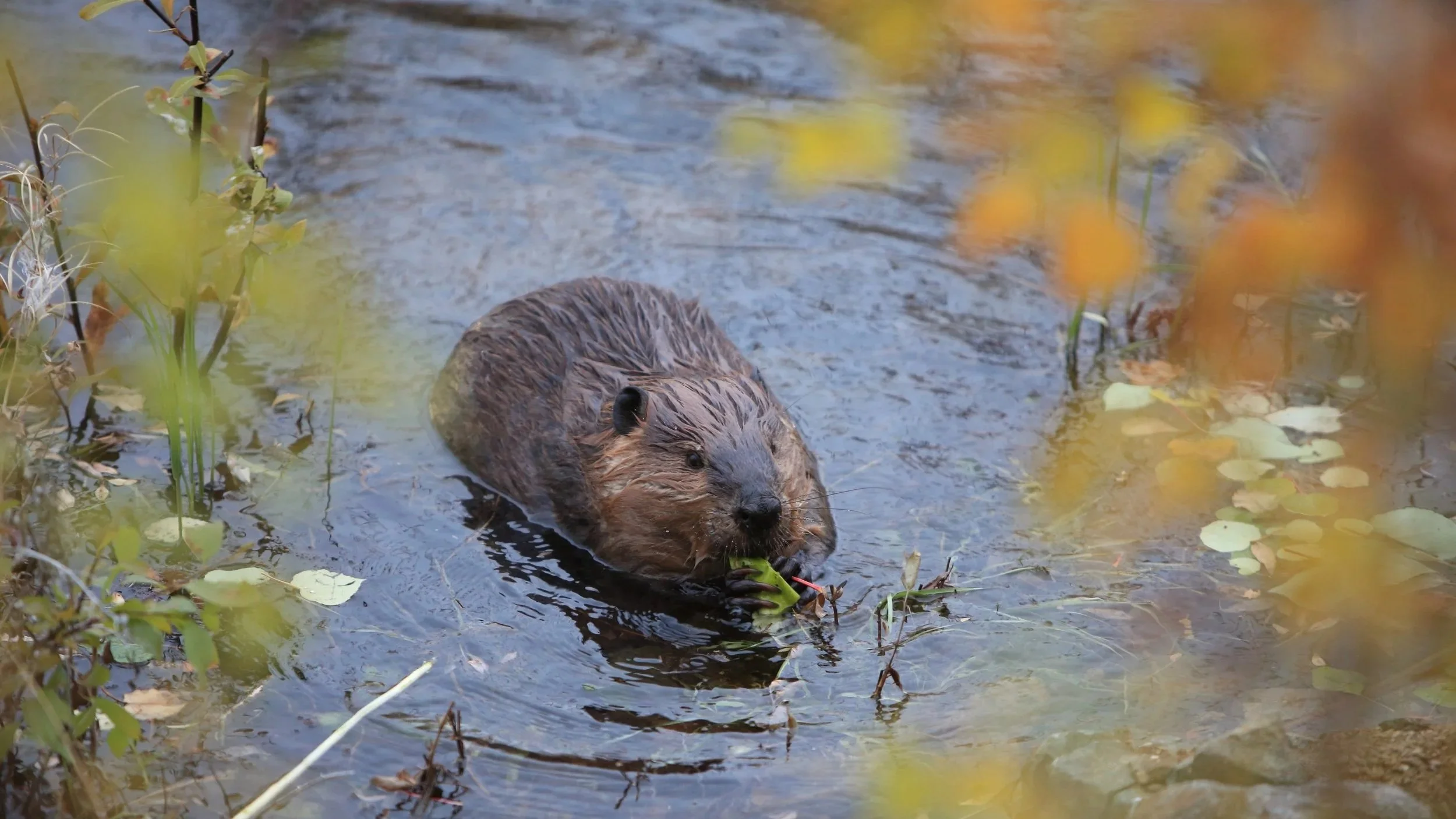
Photo: Shutterstock
As a senior science communicator with Fuse Consulting, I have the privilege of working on a wide range of topics, but beavers have always been a favourite. My journey into understanding these remarkable animals began over eight years ago with an undergraduate project at the University of Saskatchewan. That single project sparked a fascination that carried me through a master's degree researching beaver dams and ultimately shaped much of the work I do today.
Recently, I've been reflecting on communicating effectively about beavers, particularly when it comes to the challenging topic of coexistence. Much of this insight comes from my work with Project Beaver, a non-profit organization based in Oregon that is at the forefront of promoting beaver coexistence strategies.
The ecosystem engineers we love (and sometimes hate)
Most people working in conservation or environmental management have heard the phrase "beavers are ecosystem engineers." It has become the classic opening to virtually every beaver-related research paper, and for good reason. This engineering ability is responsible for an impressive array of benefits: water retention, improved water quality, carbon storage, enhanced biodiversity, wildfire resilience and more. But it is also this engineering ability that sits at the center of human-beaver conflicts. Beavers and humans both prefer waterfront properties, and we both like to alter our environment to fit our needs. Unfortunately, we tend to have different ideas about what those alterations should look like. Damaged infrastructure, flooded fields and downed trees have pushed many frustrated people to search for lethal beaver removal options.
The path to coexistence is built on practical solutions
As we learn more about beavers, attitudes are shifting. Thanks to the discovery and communication of the many benefits of beaver wetlands, beavers are increasingly being referred to as stewards of the land rather than as nuisance animals.
With this shift in attitude, we have also seen a shift in beaver management techniques. Traditional management focuses on trapping, lethal removal, breaking dams with machinery, and draining ponds. New management solutions are all about promoting various ways to coexist, including:
installing pond levelers (specialized drainage pipes installed in beaver dams) to control the water levels in ponds,
installing culvert protection systems to keep culverts clear of blockages, and
wrapping trees with metal mesh to prevent beavers from cutting them down.
The public, academics, and restoration practitioners (especially those looking to restore degraded streams or reconnect floodplains) tend to be more open to these alternative management techniques that promote coexistence. Alternatively, landowners, cities, municipalities, farmers, and ranchers — especially those dealing firsthand with damaged infrastructure and other frustrating conflicts — are more likely to stick to traditional trapping and removal of beavers.
As someone who has researched beavers extensively, it's easy to be an overwhelming advocate and focus on educating audiences about beaver benefits. Over time I have learned that focusing on how great beavers are does not resonate with farmers dealing with flooded crops, municipalities facing damaged culverts, or city park managers watching their carefully cultivated trees disappear overnight. Now, how I communicate about beavers changes based on who I am talking to. A benefits-focused approach can resonate well for public and academic audiences but falls short with the groups who matter most in terms of promoting coexistence: the people directly impacted by the damage cause by beaver engineering.
The path from conflict to coexistence isn't about convincing a frustrated audience to love beavers. It's about helping them find practical ways to share the landscape.
Don't FEAR a frustrated audience
Through my work, I've found that incorporating four key strategies can help reach frustrated audiences.
Focus on practical solutions
Engage to build local ownership
Audience-specific messaging
Recognize legitimate conflicts
These strategies help establish trust and build genuine partnerships with people who are dealing firsthand with conflict. The key is to acknowledge and give space to the frustrations people are experiencing before handing them the tools to solve their coexistence issues. Ensure that your tone meets people where they are. Do not judge or shame lethal beaver removal, just offer practical alternatives.
Focus on practical solutions rather than problem-focused advocacy
When talking about co-existence solutions, focus on how coexistence benefits your audience, not how it benefits beavers. For example:
Cost savings: Installing a pond leveler costs less than repeated dam removal.
Time savings: Tree cages can prevent the cycle of replanting and re-losing vegetation.
Prevention strategies: Culvert protection systems keep beavers from continuously plugging culverts. Proactive management helps people escape frustrating cycles of reactive management.
Engage individuals or communities to build local ownership of solutions
Help people help themselves. People are more likely to persist through maintenance or any issues that arise with coexistence if they are invested from the start. A lot of the materials I have helped create are guides that include clear instructions, enabling anyone to take initiative and implement coexistence solutions.
Audience-specific messaging that is focused and concise
Know your audience and what matters to them. Emphasize water retention during droughts when talking to ranchers or focus on natural stormwater management with municipalities. Tailor your messaging so it resonates more strongly with each group's specific concerns and priorities.
Recognition of legitimate conflicts alongside promotion of benefits
We are often talking about people’s jobs and livelihoods or landscapes that hold a lot of emotional value. A non-judgemental recognition of the issue and their struggle is important to building trust. Don't minimize or dismiss the real challenges they face.
Beyond Beavers
Beavers aren't the only "high-conflict" species we're learning to live with. These communication strategies can be applied to other coexistence struggles. The fundamental principle remains the same: effective communication with frustrated stakeholders requires meeting them where they are, acknowledging their legitimate concerns, and providing practical solutions that serve their interests.